Hair-care
How to Fix Damaged Hair: Ultimate Hair Repair Guide
- In this article:
- Common Causes of Hair Damage
- Signs of Damaged Hair
- How to Repair Damaged Hair
- Key Takeaways:
- Hair damage is caused by chemicals, heat styling, environmental factors, rough handling, and poor care.
- Signs include dryness, split ends, frizz, breakage, and dullness.
- Repair hair by using gentle, strengthening products, protecting from heat and stress, and maintaining a consistent care routine.
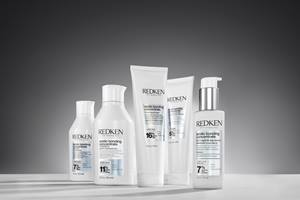
Damaged hair is caused by chemical treatments, heat styling, and environmental stressors, resulting in weak, brittle strands. Redken’s Acidic Bonding Concentrate (ABC) system repairs weakened bonds, rebalances hair pH, and restores strength and moisture for healthier, stronger hair.
Common Causes of Hair Damage
Understanding what causes hair damage is the first step to fixing it. The most common causes include:
- Chemical Treatments: Coloring, bleaching, perms, and relaxers break down hair structure and weaken bonds.
- Heat Styling: Frequent use of flat irons, curling wands, and blow dryers at high temperatures damages the protein bonds in hair.
- Environmental Stressors: Sun exposure, pollution, and hard water strip moisture and roughen the hair cuticle.
- Mechanical Damage: Rough brushing, towel drying, and tight hairstyles cause breakage and split ends.
- Inadequate Care: Using harsh shampoos, skipping conditioning, or neglecting treatments leaves hair dry and vulnerable.
Signs of Damaged Hair
Recognize the signs early to take action and prevent further damage:
- Dryness and Brittleness: Hair feels coarse, lacks softness, and breaks easily.
- Split Ends: Ends of hair strands appear frayed or split into two or more parts.
- Frizz and Rough Texture: Hair is difficult to manage, looks dull, and lacks smoothness.
- Excessive Breakage: Hair strands snap off easily when brushing or styling.
- Loss of Shine: Hair appears lackluster and dull due to a raised or damaged cuticle.
- Porosity: Hair absorbs water quickly but dries fast and feels hollow or weak.
How to Repair Damaged Hair
Repairing damaged hair requires a consistent routine focused on rebuilding hair bonds, restoring moisture, and protecting strands from further harm.
- Pre-Treat with Intensive Bond Repair: Begin your regimen 1-2 times a week with Redken’s Acidic Bonding Concentrate Intensive Treatment. This concentrated pre-shampoo formula penetrates deeply to repair broken bonds and prepare hair for cleansing and conditioning.
- Cleanse Gently and Strengthen: Use Redken’s Acidic Bonding Concentrate Shampoo every wash. Its sulfate-free, bond-fortifying formula gently cleanses without stripping moisture, while rebalancing the hair’s pH to strengthen weakened areas. For added protein support, Redken Extreme Shampoo is an option to reinforce strands from root to tip.
- Condition Deeply and Seal Bonds: Apply Acidic Bonding Concentrate Conditioner or Lightweight Liquid Conditioner (for fine hair) daily. These conditioners close the hair cuticle, improve smoothness, and lock in moisture. For more intense repair, substitute the conditioner once or twice weekly with the 5-Minute Liquid Mask, which delivers ultra-hydration and fortifies hair bonds effectively.
- Protect and Repair with Leave-In Treatments: Finish with Redken’s Acidic Bonding Concentrate Leave-In Treatment on damp hair. This multi-benefit product repairs bonds continuously, protects hair from heat (up to 232°C/450°F), controls frizz, and detangles strands for easier styling. Alternatively, Redken Extreme Anti-Snap Leave-In offers 5-in-1 protection to reduce split ends and strengthen hair.
- Limit Heat and Styling Tool Use: Avoid frequent use of heat styling tools like flat irons, curling wands, and blow dryers. When heat styling is necessary, always use a heat protectant treatment to minimize damage. Give your hair regular breaks from styling to allow recovery.
- Protect Hair from Environmental Damage and Mechanical Stress: Wear hats or scarves to shield hair from sun exposure and pollution. Use gentle hair handling techniques—avoid harsh brushing or towel drying—and opt for loose hairstyles to prevent unnecessary breakage.
- Maintain Regular Professional Treatments: Enhance your at-home care by seeking professional bond-building treatments at salons. These treatments complement Redken’s ABC system by targeting internal damage with advanced technology and restoring lost proteins and moisture.
- Sleep on Silk or Satin Pillowcases: Switching to silk or satin pillowcases reduces friction on hair while you sleep, minimizing breakage, frizz, and split ends. These smooth fabrics help maintain moisture and protect hair integrity for healthier strands over time.

