
Can Split Ends Cause Hair Loss?
In this article:
- What Are Split Ends, and Why Aren’t They Hair Loss?
- What Happens Inside a Hair Strand When It Splits?
- Why Do Split Ends Make Hair Look Thinner?
- How Can You Tell Breakage From Hair Loss?
- How Do You Prevent Split Ends From Stealing Your Length?
- When Should You See a Stylist or a Doctor?
- Split ends do not cause hair loss, because hair loss is a follicle-level issue at the root while split ends are damage to the hair shaft at the tip.
- Split ends can cause breakage when an unchecked split travels up the strand and snaps, which can make hair look thinner, shorter and less dense.
- Shed hairs are full-length strands with a small white or translucent bulb at the root end, while broken hairs are shorter pieces with no bulb and a blunt or frayed end.
- A split end cannot be glued back together, so the only true fix is a trim, ideally micro-dusting every 8 to 12 weeks to remove only millimeters.
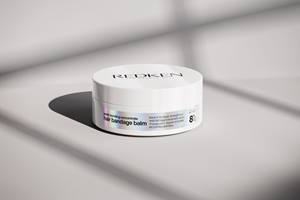
- Bond-reinforcing care, such as the Acidic Bonding Concentrate Shampoo, Conditioner, Leave-In Treatment and Hair Bandage Balm, helps slow new splits and protect the ends.
Quick Answer
No, split ends do not cause hair loss. Hair loss is a follicle-level issue that starts at the root, while split ends are damage to the hair shaft at the tip. What split ends can cause is breakage: when a split travels up the strand and snaps, hair can look thinner, shorter and less dense.
Split ends on one hand, extra hair in the brush on the other. It’s natural to connect the two and wonder whether your split ends are causing your hair to fall out. It’s a reasonable worry, and one that comes up constantly in online searches and salon chairs alike.
The short answer is reassuring, while the longer answer is more useful. Below, we explain what split ends are, how they turn into breakage, how to tell breakage from shedding and what you can do to protect your length.
What Are Split Ends, and Why Aren’t They Hair Loss?
Split ends, technically called trichoptilosis, are a form of mechanical damage to the hair shaft. The protective cuticle frays at the tip of the strand, and the inner cortex is exposed. That’s damage, but it’s not hair loss.
Hair loss occurs when the follicle itself stops producing hair or when the strand detaches from the follicle prematurely. The causes are internal: genetics, hormones, stress, nutritional deficiencies or medical conditions. Split ends can’t trigger any of those follicle-level events. They happen on the opposite end of the strand, far from the root. For a closer look at the different forms a split can take, read our guide to the different types of split ends.
What Happens Inside a Hair Strand When It Splits?
A split end is a strand whose cuticle has cracked open at the tip. Once that happens, the cortex (the structural core of the strand, made up of protein chains and disulfide bonds) is exposed to air, water, heat and friction. Without that cuticle shield, the split can travel upward.
As the split widens, the strand weakens at the damage site. Eventually, it snaps. That snap is breakage, and it is the real link between split ends and hair that seems to be “falling out.”
Why Do Split Ends Make Hair Look Thinner?
Split ends make hair look thinner because unchecked splits lead to breakage at different points along the strand. When enough strands break, the collective result is hair that looks thinner, shorter and less dense, even though every follicle is still actively growing new hair.
The problem isn’t at the root. It’s at the ends and mid-lengths, where structural integrity has been compromised by unmanaged splits. That’s why split ends are best understood as a hair retention problem rather than a hair loss problem. Learn more about the signs and triggers in our guide on how to manage hair breakage.
How Can You Tell Breakage From Hair Loss?
Hair loss and breakage can look similar at first, but there’s a clear difference once you know what to look for: the presence or absence of a bulb at the end of the strand.
| What to check | Hair loss (shedding) | Hair breakage |
|---|---|---|
| Strand length | Full-length strands | Shorter pieces of varying lengths |
| End of the strand | A small white or translucent bulb at the root end | No bulb; a blunt or frayed end where the strand snapped |
| What happened | The hair completed its growth cycle and detached from the follicle, naturally or prematurely | The hair was still attached at the root and broke along the shaft |
| Where the issue is | Follicle level | Structural, along the hair fiber |
When you see short, bulb-less pieces on your pillow, brush or clothes, the issue is structural. Hair loss requires addressing the underlying cause, such as stress, hormones, nutrition or medical conditions, often with professional guidance. Breakage is different: because it happens along the hair shaft, strengthening the hair fiber and reducing damage helps prevent snapping. Fortunately, breakage is more manageable with the right products and habits.
How Do You Prevent Split Ends From Stealing Your Length?
You can’t glue a split end back together. Once the cuticle has cracked, the only true fix is trimming it off. But there are two critical things you can do: slow the rate at which new splits form, and prevent existing splits from traveling up the strand.
- Reinforce bonds with every wash. The Acidic Bonding Concentrate Shampoo and Acidic Bonding Concentrate Conditioner deliver continuous bond reinforcement with their Bonding Care Complex and citric acid. Stronger internal bonds mean strands are more resistant to the mechanical stress that causes splits in the first place. When used together, this shampoo and conditioner system delivers up to 2x stronger hair and a 56% reduction in breakage.
- Seal damaged ends with targeted protection. The Acidic Bonding Concentrate Hair Bandage Balm is designed specifically for this. With the highest Bonding Care Complex concentration in the ABC line (8%), it provides strength repair for damaged, dry split ends in 1 use, plus protection against heat up to 450°F. Its lightweight, fast-absorbing and non-greasy formula reduces breakage for stronger, smoother and instantly revived ends.
- Add ongoing leave-in support. The Acidic Bonding Concentrate Leave-In Treatment, with 5% Bonding Care Complex, keeps working on bond reinforcement, repair, intense conditioning and color fade protection. Apply it to damp hair after washing, focusing on the mid-lengths and ends, where splits accumulate.
- Trim strategically. Ask your stylist for micro-dusting every 8 to 12 weeks, which involves trimming only millimeters off the ends, not inches. This approach preserves your length while removing split ends before they travel up the shaft. Paired with a bonding routine, micro-dusting helps keep length intact.
For a complete prevention plan, from daily habits to treatments, see split ends explained: causes, treatments and prevention.
When Should You See a Stylist or a Doctor?
See a stylist when you notice short, bulb-less pieces, rough or frayed ends or length that stops progressing. A stylist can assess where along the strand the hair is breaking and recommend how much to trim and which bonding routine to follow.
See a doctor or another qualified healthcare professional when you notice full-length strands with a bulb at the root in larger amounts than usual. Shedding is a follicle-level issue, and its underlying causes, such as stress, hormones, nutrition or medical conditions, need professional guidance rather than a haircare fix.
Split ends aren’t a hair loss problem. They’re a hair retention problem, and that’s a much more solvable one. Protect what you’re growing, reinforce the bonds that hold each strand together, and those splits stop stealing your length.


